Book Clubs
I'm always thrilled to hear about a book club reading one of my books. Since I can't be there for every club and every book, I've put together some materials for any group that has honored me by picking one of my works to read. Thank you, and hope you enjoy the stories!
ps. Careful reading this page before the books. There might be spoilers!
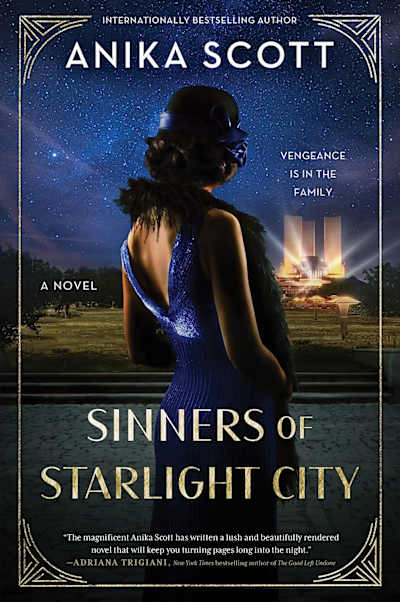
Discussion Questions
1. What did you think of the exhibit of live babies at the World’s Fair? Do you think it was a good thing to do, or do you disagree with the practice? Can there be any similarities drawn to the display of young children on social media today?
2. Why do you think the World’s Fair of 1933 was so important to global relationships at that time? Have you ever been to a World’s Fair? What was the experience like, and did it inspire you to learn more about other countries?
3. Were you surprised to learn how the USA, Canada and other countries celebrated the pilots of Mussolini’s armada? How do you think the air expedition influenced what these countries thought about Fascist Italy?
4. Considering the American color line of the 1930s, what do you think the future holds for Rosa and Danny? What do you think the challenges would be if they chose to build a life together?
5. Why do you think some people were uncomfortable about Rosa’s ambigious looks, ethnic background and nationality? Even today, are people of mixed origins pressured to conform to certain categories or identities?
6. How did Danny’s relationship with his father influence his actions and feelings when it came to Hope? Is he right to doubt he would make a good father when he didn’t grow up with one himself?
7. Do you believe Rosa’s vendetta against Paolo was justified, considering what he did to her family in Sicily? Were her actions truly about honor and justice, or was it merely revenge?
8. Who was your favorite of Rosa’s circus friends: Salim, Clyde, Mabel, Malik, Heejin? Why were they so loyal to Rosa and each other?
9. How did Salvatore justify what he did to his daughter Mina and the baby? Will he ever believe he did something wrong?
10. Do you think Rosa’s uncles really wanted her back in the Gallo family? If she had gone back, how do you think she would have been treated?
11. After all the ways Mina and Hope were hurt by the Gallo family, is there any way Mina can forgive them for Hope’s sake? Should she even try? How important is it for a child to know both sides of her family?
12. How do you feel about what Rosa did to her uncle Tino in the end? Was her act justified, or did she prove she was just as ruthless as her uncle could be?
Extras:
My look at Mussolini's propaganda coup at the 1933 Chicago World's Fair, for HWA's Historia magazine.
My article about the mafia's involvement in the World's Fair, for Crimereads: https://crimereads.com/the-chicago-mob-vs-the-worlds-fair/
An essay about what inspired me to write Sinners of Starlight City, for Writer's Digest: https://www.writersdigest.com/be-inspired/thoughts-on-unleashing-the-ideas-inside-you
Me talking about agents, editors, publishers and book fairs on the Publishing Rodeo podcast. https://www.youtube.com/watch?v=ER-PWgplad4
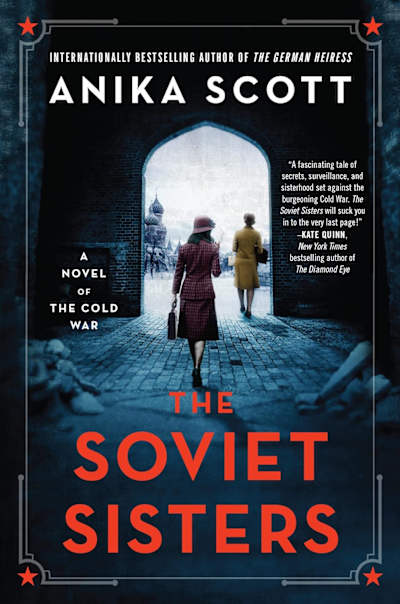
Discussion Questions
1. Despite Marya and Vera’s similar childhoods, an upbringing that taught them to be loyal to Soviet ideals, how do the sisters choose different ways to resist the system they live in? What was the catalyst for each woman?
2. When did you start to notice that Vera wasn’t telling the whole truth in the recording? Did that change the way you feel about her and the story she was telling?
3. Consider Marya and Felix’s relationship in the war. Do you agree with her behavior towards him? Is there room for compassion for the enemy on the battlefield?
4. How would you describe Vera’s marriage? What do you think keeps Vera and Nikolai connected?
5. How do you think Marya and Vera’s beliefs would shift in a modern context? How is their belief system progressive, given the time period?
6. The Soviet Union ceased to exist many decades ago. How do you think Vera would feel about the fall of the USSR? What about Marya? Can you imagine your own country or political system ceasing to exist?
7. Felix’s wife, Leni, is hostile to Marya. Why do you think that is? Do you find her actions unjustified or understandable, and why?
8. Vera claims to take a dim view of Tolstoy’s Anna Karenina. She says, “a woman’s duty isn’t to her selfish desires, but to her people.” What do you think of this? How do you balance the duty to your loved ones with the wider duty to your society, country or the world?
9. Marya believes that fleeing the USSR and seeking asylum in the West is both a brave and cowardly thing to do. What do you think? Under what circumstances would you consider fleeing your country?
10. Do you agree with the Military Collegium’s final decision about Marya’s case? What are your arguments in defense of or against her?
Extras:
A key scene between Vera and Henry takes place at one of my favorite vintage Berlin clubs, Clärchens.
My article about the fascination of confidential files in real life and fiction, for Crimereads.
The Cold War comes to life at the Allied Museum in Berlin, one of my best resources for researching The Soviet Sisters.
My look at international book publishing and translations, for PentoPrint.
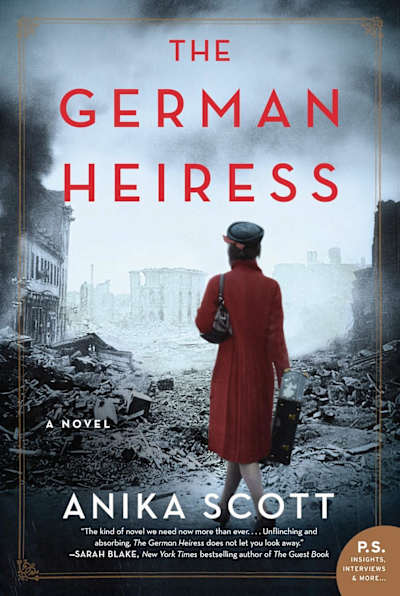
Discussion Questions
1. During the war, Clara had to navigate a path beteween loyalty to her family and her conscience. Did she succeed in doing justice to both? Is such a thing even possible, given the circumstances?
2. If you had been in Clara's position during the war, would you have acted differently? What would you have done, and what might have been the consequences?
3. How would you describe the affair between teenage Elisa and Willy's father? Is it predatory, based on is power over her? Is there love? How do their later actions illuminate their relationship?
4. What hope do you see for Willy's future? How do you envision his future relationship with Clara?
5. Clara's father was the defining influence of her life, and she struggles to break free of him. Why is it so difficult for her? Have you ever had to distance yourself from a loved one, and if so, did you face similar challenges to Clara?
6. Captain Fenshaw is known for his poetic justice, such as when he put Clara in the same kind of locker that some forced laborers had to endure as punishment in the war. Do you think these methods were a necessary element of his investigation, or a personal expression of disgust at Clara's crime? Are such acts justified when carried out by someone who is seeking justice?
7. Clara's mother, Anne, is an Englishwoman, yet she was cooperating with the Nazi government. Following the war, she embraced her British roots during denazification. Is she treacherous, or just resourceful? In what ways does wartime impact one's loyalty to their heritage and allegiances?
8. How do you think Jakob has adjusted so well to the challenges of life in the ruins, despite his severe war wound? What makes him so resilient, particularly compared to other veterans who had a more difficult time readjusting?
9. Do you believe Clara would be convicted as a war criminal if she were put on trial? How would you weigh her good and bad actions on a scale of her deeds?
10. Did you learn anything that surprised you about life for the Germans under Allied occupation? Has this new knowledge of their situation changed your feelings toward the German people during and after World War II?
Extras:
A video of me talking about writing The German Heiress: https://www.youtube.com/watch?v=ou8qcGZpykU
Me talking to the Author Stories podcast: https://www.youtube.com/watch?v=0JxpFfACYmA
Interview with (the fictional) Clara Falkenberg for Women Writers, Women's Books: https://booksbywomen.org/interview-with-clara-falkenberg-of-the-german-heiress-by-anika-scott/
My article on writing morally gray characters, for Crimereads: https://crimereads.com/historical-novels-and-the-morally-gray-character/